Srikakulam Police: A Pillar of Safety and Service
The Srikakulam Police Department, part of the Andhra Pradesh State Police, is dedicated to maintaining law and order, ensuring public safety, and delivering justice in the Srikakulam district. Known for its commitment to service, the department plays a crucial role in community welfare and crime prevention.
Key Responsibilities:
Maintaining Law and Order: Ensuring peace and preventing disturbances.
Crime Investigation: Solving criminal cases with professionalism and integrity.
Traffic Management: Regulating traffic and reducing road accidents.
Public Safety: Responding to emergencies and safeguarding citizens.
Community Policing: Engaging with the public to build trust and improve cooperation.
Women Policing Initiatives:
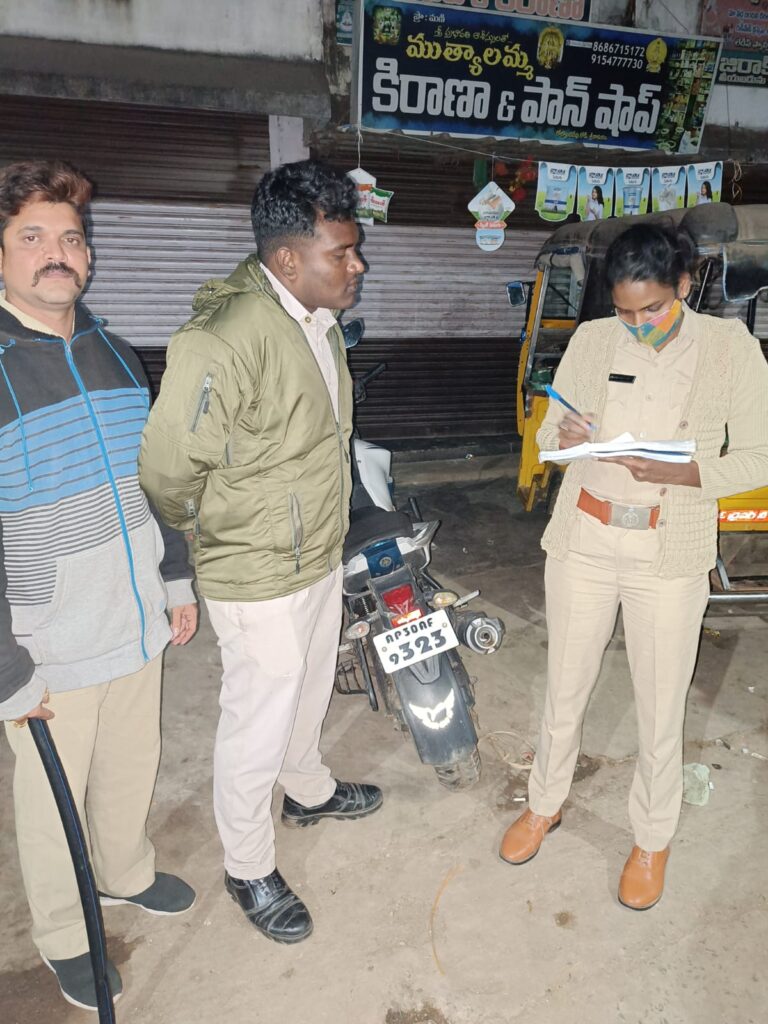
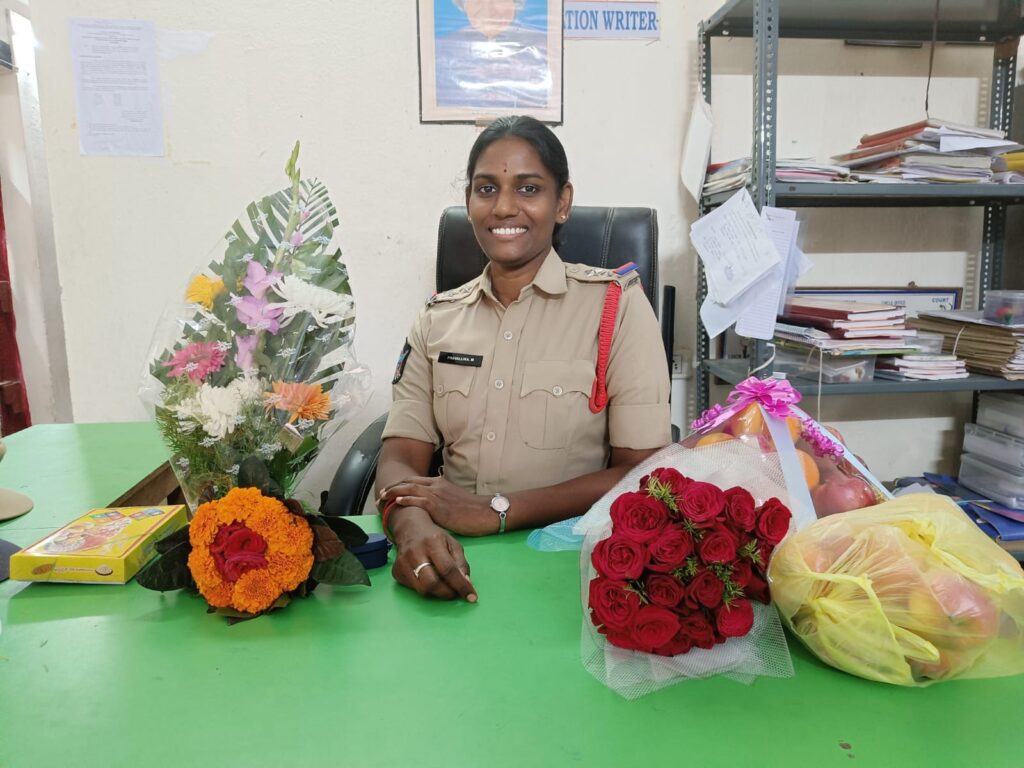
Srikakulam Police also empowers women officers and promotes gender equality in policing. Special cells address crimes against women, and awareness programs are regularly conducted for women’s safety.
Technology & Modernization:
The department uses digital tools like:
Disha App: For women’s safety.
CC Cameras: For surveillance and monitoring.
Online Services: For FIRs, complaints, and verifications.
Community Engagement:
Police in Srikakulam often collaborate with schools, local leaders, and NGOs to conduct:
Awareness campaigns
Drug prevention programs
Cybercrime education
Road safety drives
Women in policing have emerged as a powerful force, reshaping law enforcement with empathy, professionalism, and resilience. Historically underrepresented, women officers are now playing a pivotal role in modern policing, bringing unique strengths to community relations, conflict resolution, and investigative work. Their presence not only diversifies the police force but also fosters trust and accountability in society.
The Rise of Women in Law Enforcement
The inclusion of women in policing began in the early 20th century, often with limited roles focused on juveniles and female offenders. Over time, societal changes and gender equality movements pushed for their broader integration. Today, women serve in every rank, from patrol officers to commissioners, breaking stereotypes and leading by example.
Despite progress, women still represent a minority in many police departments worldwide. However, the momentum is shifting as more agencies recognize the need for gender balance to address complex, diverse communities more effectively.
Unique Contributions of Women Police Officers
-
Effective Communication and De-escalation:
Studies show that women officers are often more effective in de-escalating violent situations, relying on communication and negotiation rather than force. -
Community Engagement:
Women tend to excel in community policing roles, building stronger relationships with residents, especially in vulnerable communities. -
Handling Sensitive Cases:
Women are often preferred in cases involving domestic violence, sexual assault, and child abuse, offering victims a greater sense of safety and understanding. -
Ethical Policing:
Research indicates that women officers are less likely to be involved in incidents of excessive force or corruption, contributing to public trust.
Challenges Faced by Women in Policing
Despite their contributions, women in policing face several barriers:
-
Gender Bias and Discrimination: Prejudices and stereotypes still exist, affecting recruitment, promotions, and daily duties.
-
Work-Life Balance: Balancing demanding shifts with family responsibilities can be more challenging for women, especially in conservative societies.
-
Underrepresentation in Leadership: Fewer women occupy top leadership roles, limiting their influence on policy and decision-making.
Promoting Gender Equality in Policing
To ensure equality and effectiveness, law enforcement agencies must:
-
Implement gender-sensitive recruitment and promotion policies.
-
Provide mentorship and leadership training programs for women.
-
Address workplace harassment and ensure a safe, inclusive environment.
-
Highlight success stories of women in policing to inspire the next generation.
Case Studies and Success Stories
Countries like Canada, the UK, and India have made significant strides in promoting women in law enforcement. In India, the creation of all-women police stations and special task forces has empowered both the officers and the communities they serve. Female officers have also been at the forefront of initiatives to combat human trafficking, cybercrime, and terrorism.
Conclusion
Women in policing are not just breaking barriers—they are transforming law enforcement. Their contributions enhance professionalism, community trust, and effective crime prevention. As the world moves toward more inclusive societies, empowering women in policing is not just necessary—it is essential for safer, fairer, and more just communities.
If you’d like a version tailored to a specific location or department (e.g., Women Police in Srikakulam), I can